








Compression Sleeve Sizing: Go By Arm and Knee Measurements
Compression sleeves fit by circumference, not shirt or pants size — here's how to measure and choose right.
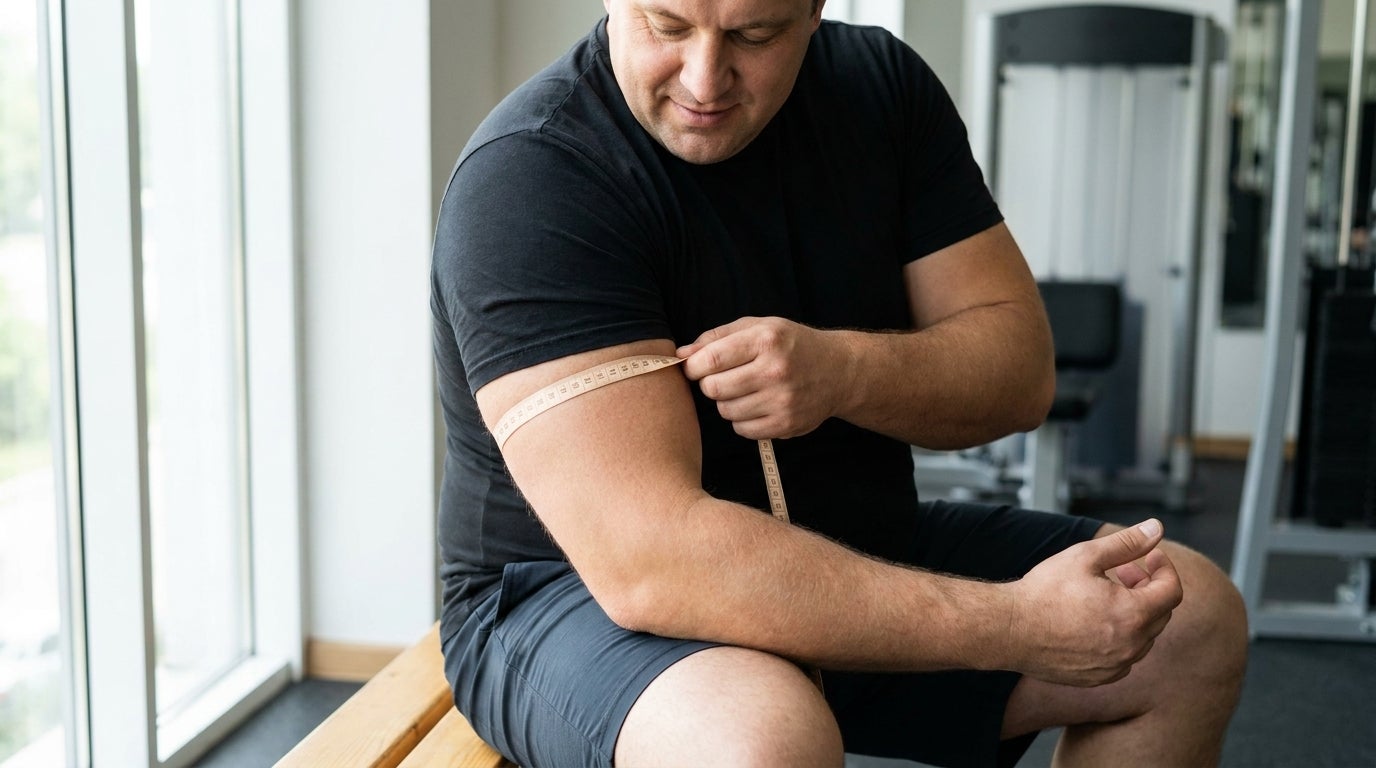
Compression sleeves and support garments size to your actual arm or knee circumference, measured with a tape — not your usual shirt or pants size. Measure the widest point, then check that number against the product's own size chart on our KingSize product page.
Why compression sleeve sizes don't match your shirt size
A shirt size accounts for your chest, shoulders, and length. A compression sleeve only has one job: apply even, graduated pressure around a single limb. That means it's built and sized around one measurement — the circumference of your arm or knee — completely separate from the size code on your Compression Socks & Sleeves shopping list.
Sleeve labels like S, L, or 2XL are shorthand for a circumference range set by that product's own chart, not a universal apparel scale. Knee sleeves, however, can range in size up to 6XL, and are measured differently from arm sleeves.
What size arm does a 2XL elbow support fit?
A 2XL Comfort Elbow Sleeve is sized to a specific forearm and bicep circumference range — not the 2XL you'd grab in a shirt. Measure your arm's bicep and forearms first, then match those inches to the sleeve's chart rather than assuming your apparel size carries over.
If your measurement lands between two listed sizes, size up. A sleeve that's slightly loose still supports; one that's too tight can dig in at the edges and cut circulation instead of helping.
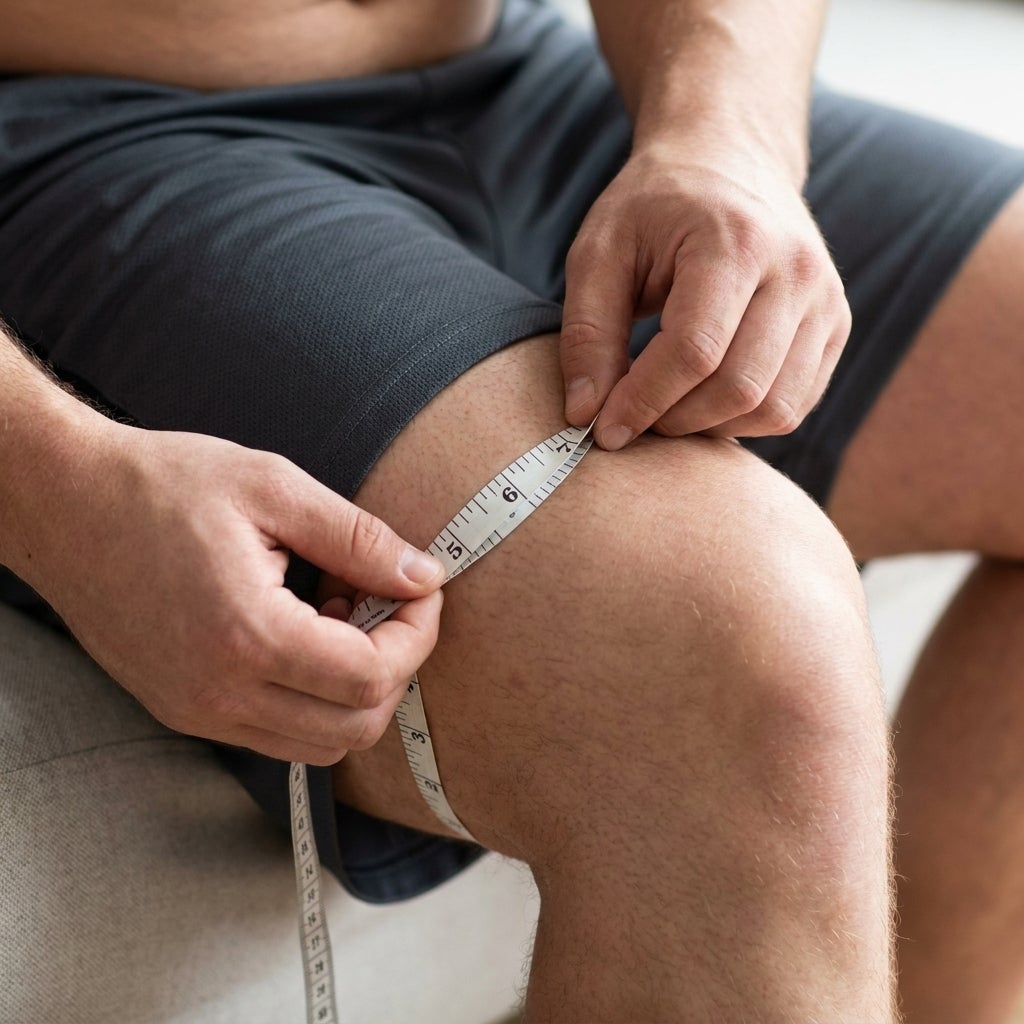
How to measure your arm or knee for a compression sleeve
- Use a soft fabric tape measure, not a metal one.
- For an elbow sleeve, wrap the tape around the widest part of your bicep, then again around your forearm just below the elbow.
- For a knee sleeve, wrap the tape around the widest part of your knee, 6 inches above your kneecap and 6 inches below your kneecap.
- Keep the tape snug against skin but not pulled tight — it should sit the way a sleeve would.
- Record both numbers in inches and compare them to the specific product's size chart before ordering.
Big and tall compression sizing: why bigger arms and legs need bigger sleeves
A bigger arm or knee needs a sleeve built with a wider circumference range from the start, not a standard sleeve stretched past its design. Compression sleeves and support garments in our KingSize Compression Socks & Sleeves category are cut across that wider range so the compression stays even instead of rolling, digging in, or losing pressure at the edge.
These sleeves are built for comfort and everyday support — not a medical device, and not a substitute for guidance from a doctor or physical therapist about a specific condition.
Frequently asked questions
Which arm circumference fits a 2XL elbow sleeve?
A 2XL Comfort Elbow Sleeve is built for a specific arm circumference range, not the 2XL you wear in shirts. Measure around your forearm and bicep at their widest points, then match those numbers to the product's own size chart before you buy.
How do I measure my arm for a compression sleeve?
Wrap a soft tape around the widest part of your bicep and again around your forearm just below the elbow. Keep the tape snug but not tight, and record both numbers in inches.
Do compression sleeves come in big and tall sizes?
Yes. Compression sleeves and support garments are cut in a wider range of circumference sizes so a bigger arm or leg gets real, even compression instead of a tight, rolled-up edge.