








How to Layer for Cold Weather in Big & Tall Sizes
Three layers do the work: a thermal base, a midweight fleece, and a wind- or water-resistant outer shell — each one traps a different kind of warmth.
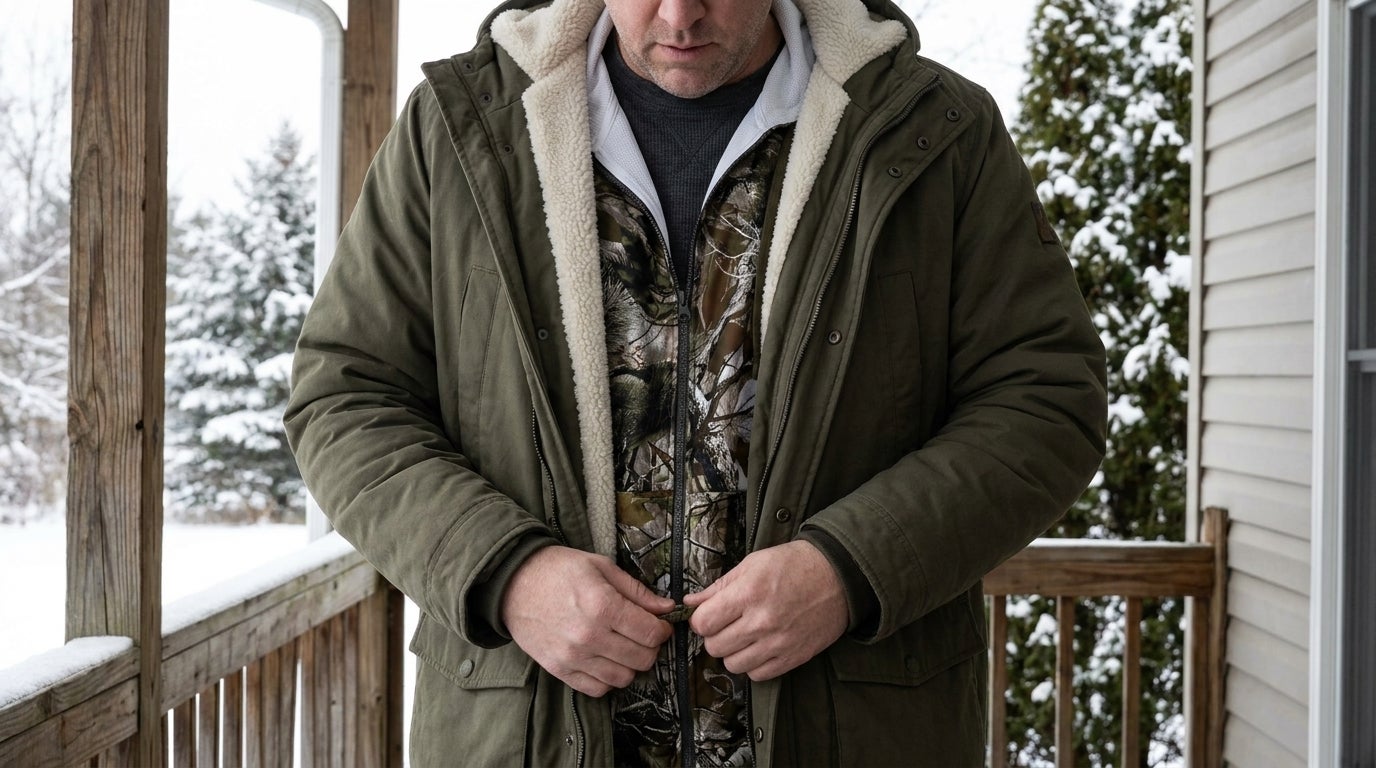
What order should cold-weather layers go in?
Layer in three steps: a thermal base layer against your skin, a midweight fleece or thermal hoodie on top of that, and a wind- or water-resistant outer shell last. Each layer traps a different kind of warmth, so skipping one leaves a gap the cold gets through.
- Base layer: traps body heat and wicks sweat away from skin.
- Mid layer: insulates by holding warm air close to the body.
- Outer shell: blocks wind and water so the layers underneath stay dry and warm.
Step 1: Start with a thermal base layer
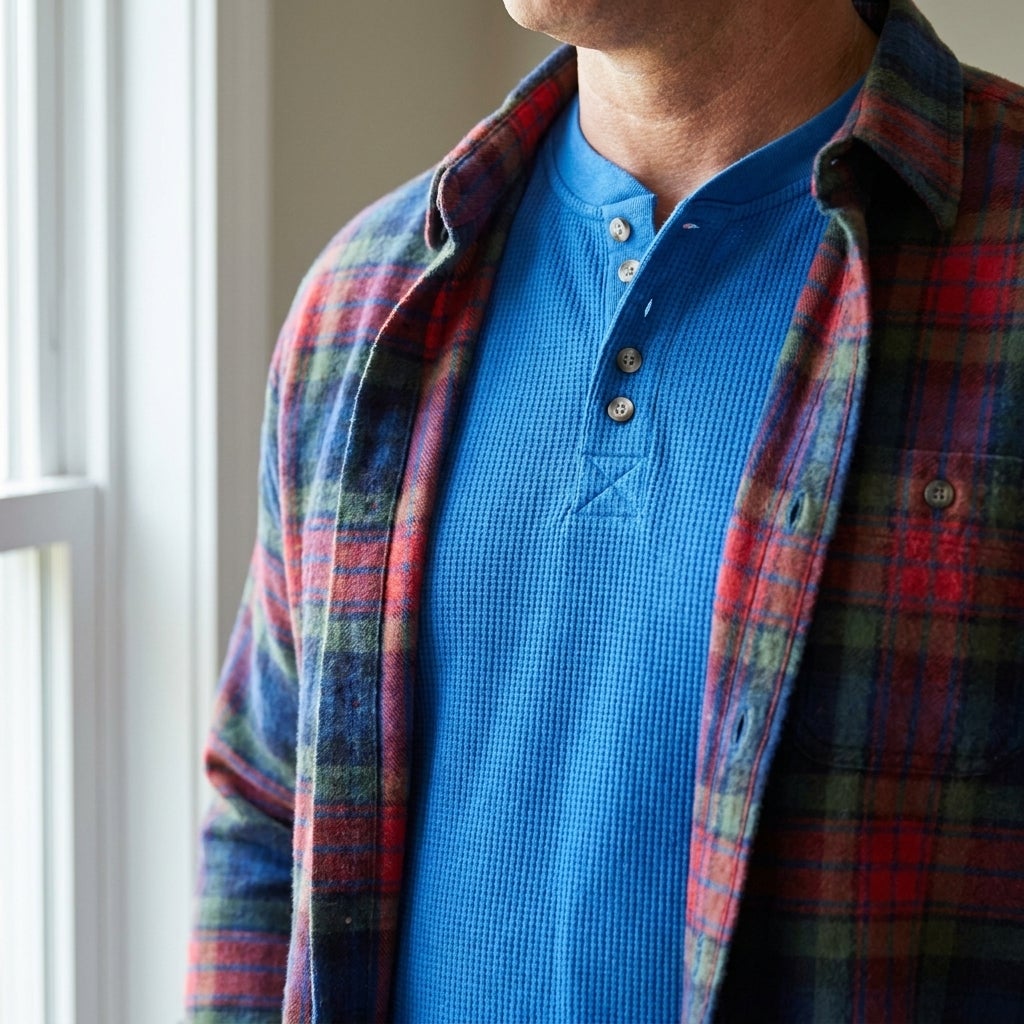
A snug, moisture-wicking base layer is the foundation. It holds a thin layer of warm air against your skin and pulls sweat outward so it can evaporate, instead of sitting on your body and turning cold. Browse KingSize thermal shirts built for exactly this job, like our thermal henley tee — waffle-knit for extra warmth without added bulk under a mid layer.
Step 2: Add a midweight fleece or thermal hoodie
The mid layer is where most of your insulation comes from. It should fit close enough to layer under a shell but loose enough to trap air, not compress it. A Full-Zip Thermal Hoodie works as a stand-alone mid layer on milder days, or add a fleece pullover hoodie when temperatures drop further and you need more insulation between the base layer and the shell.
Step 3: Finish with a wind- or water-resistant outer shell
The outer shell keeps wind and moisture from reaching the layers doing the actual insulating. A fleece-lined parka with a fleece lining adds a fourth layer of warmth at the shell itself, which matters most on days with wind chill or wet snow. Look for a relaxed fit through the chest and shoulders so it closes over your mid layer without pulling.
How should each layer fit in Big & Tall sizes?
Each layer needs its own room: a base layer that sits close without binding at the shoulders or gut, a mid layer cut generous enough to move over it, and a shell sized to close over both without pulling at the seams. KingSize builds each piece on a Big & Tall pattern from the start, in sizes up to 10XL, so the fit holds through all three layers instead of running out of room at the shell.
What to skip when layering for cold weather
- A cotton base layer — it holds sweat against your skin instead of wicking it away, so you get cold faster once you stop moving.
- A mid layer sized too close — compressed insulation traps less warm air than a layer with room to loft.
- A shell with no venting — zip vents or mesh-lined pockets let you dump heat on the move instead of overheating in three layers at once.
Frequently asked questions
Can I wear a dress shirt over a thermal base layer at work?
Yes. A thin waffle-knit or henley-style base layer adds warmth under a dress shirt without changing how it fits through the shoulders and chest.
Do I still need a rain layer if my shell already resists water?
Most water-resistant shells handle everyday snow and drizzle. Add a dedicated rain shell only for sustained heavy rain, since resistant and waterproof aren't the same rating.
How many layers do I need for temperatures below freezing?
Three layers — thermal base, fleece or hoodie mid layer, and a wind-resistant shell — cover most below-freezing days. Add a heavier mid layer before adding a fourth layer.