








Big & Tall Sport Coat Fit Guide
A Big & Tall sport coat needs a longer sleeve and roomier shoulder seam than a standard-cut blazer, without excess room through the body.

What makes a sport coat fit a Big & Tall frame?
A sport coat built for Big & Tall proportions starts at the shoulder seam, adds sleeve length before it adds body width, and holds a close line through the chest and waist. Get those three right and the coat reads sharp instead of borrowed.
Most fit complaints trace back to a coat that was simply sized up from a standard block — wider everywhere, longer nowhere it actually needs to be. Browse Sport Coats cut specifically for Big & Tall proportions, with the shoulder and sleeve built in from the first pattern, not added on afterward. KingSize offers sizes from 2XL to 8XL online every day.
How should the shoulders fit?
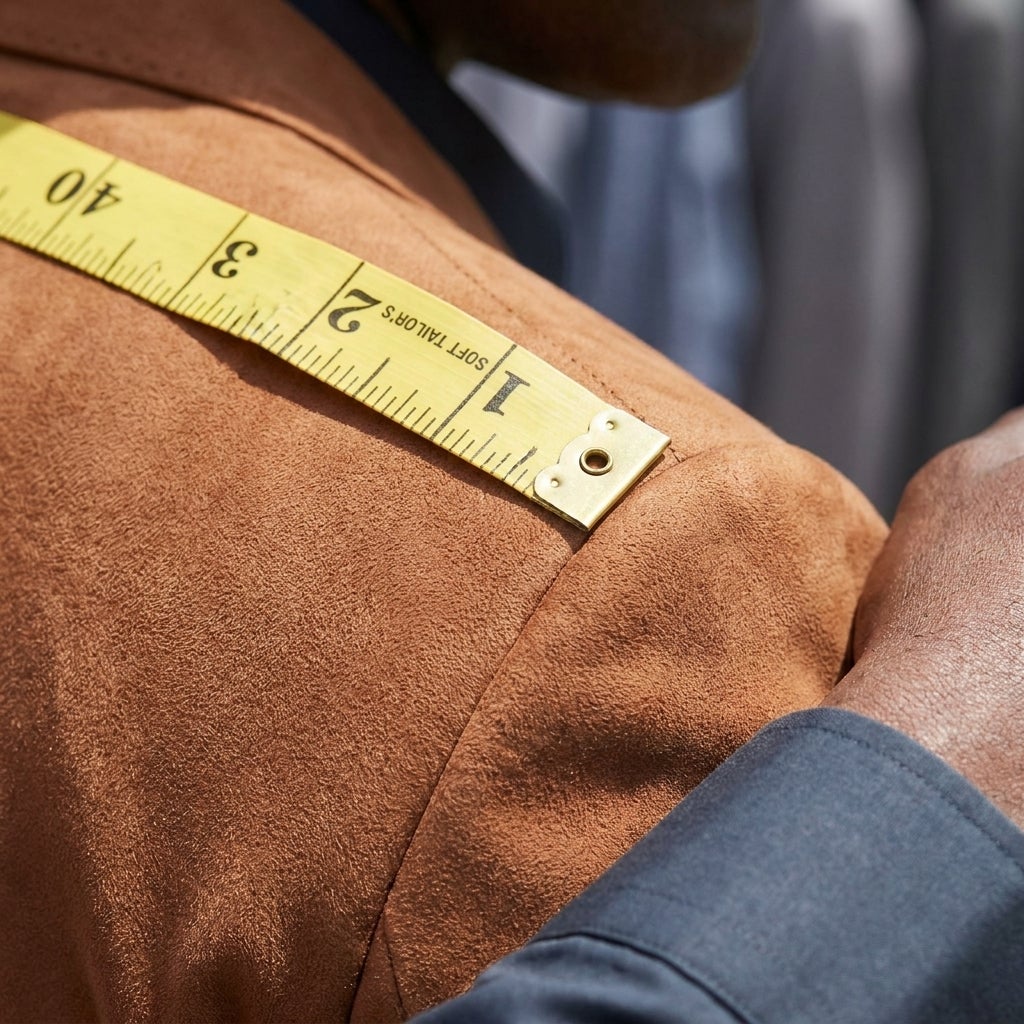
The shoulder seam should sit right at the edge of your shoulder bone — not sliding down your arm, not pulling in toward your neck. A roomy shoulder seam is the fit point ready-to-wear sport coats miss most often on Big & Tall builds, and it's not something a tailor can fix without taking the whole coat apart.
If you raise your arms forward and feel the seam dig in, or the shoulder pad shifts off the bone, the coat is too narrow through the shoulder no matter how the chest measures.
How long should the sleeve be?
Sleeve length should end about half an inch above the base of your thumb, with a quarter to half inch of shirt cuff showing beneath it. A Big & Tall cut adds sleeve length in proportion to the body, not just the chest, so a size that fits your chest doesn't guarantee a sleeve that reaches your wrist.
A sleeve that stops mid-forearm is the fastest way a coat reads as the wrong size, even when everything else fits.
What about room through the chest and length?
Chest room should let you close the center button without the fabric pulling into an X across your stomach, while still letting your arms swing forward without strain across the back. Coat length should cover the seat and end roughly where your fingers curl at your side.
That combination — close through the body, generous at the shoulder and sleeve — is exactly what our KingSize Sport Coats collection is built around, sized to match how Big & Tall bodies actually carry a coat.
Fit checkpoints at a glance
| Fit Point | What It Should Look Like | Red Flag |
|---|---|---|
| Shoulder Seam | Sits at the edge of the shoulder bone | Fabric bunches, or the seam sits down the arm |
| Sleeve Length | Ends just above the thumb base | Shirt cuff is buried or hidden entirely |
| Chest & Button Stance | Closes without pulling | Center button creates an "X" pull |
| Coat Length | Covers the seat, ends at curled fingertips | Coat rides up when seated or looks cropped |
| Back | Lies flat between the shoulder blades | Horizontal pull lines across the back |
How to measure yourself before you buy
Three measurements decide whether a sport coat fits before it ever ships: neck and chest circumference and waist measurements.
- Measure neck circumference and add an inch for a more relaxed fit.
- Measure your waist, all the way around and compare it to our size chart on our product page.
- Measure chest circumference around the fullest part, tape flat and level under your arms.
- Compare all three numbers to the coat's stated measurements on our product page — not just the size label.
Frequently asked questions
Can a tailor take in a sport coat that's too big through the body?
Yes — a tailor can take in the sides and waist of a sport coat fairly easily. What a tailor can't fix is a shoulder seam that's too narrow or add fabric to a jacket that's too narrow, so start with those two measurements first.
What size sport coat should I order if I'm between sizes?
Size up to the chest measurement that fits, then have the body taken in if needed. A sport coat that's tight at the shoulder will never sit right, while extra room at the waist is a simple, inexpensive fix.
How do I know if a sport coat is too tight?
The center button pulls into a horizontal "X" across your stomach, and lifting your arms strains the back seam. Either sign means you need more chest room, not a smaller size.